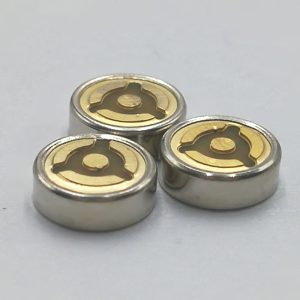
Custom Microphone Supplier: From Design to Delivery for Consumer Electronics
Sensitivity, signal-to-noise ratio and acoustic overload point are measured at 1 kHz against a 1 Pa reference, which is 94

CUSTOM AUDIO COMPONENTS & ACOUSTIC ENGINEERING
ZEH develops speaker drivers, microphones and integrated audio modules together with the enclosures that make them work — bench-measured data, working samples and a tooling path you can plan around.
377 standard drivers, mics and modules with measured datasheets.
8-stage path from feasibility to mass production, gates in writing.
Re-tuning, cost-down and failure analysis on parts already in the field.
377
standard parts in the online catalogue
12
product families across drivers, mics and modules
7–10 days
samples from existing tooling
100%
datasheets measured on our own bench
No hand-off gaps between “the speaker vendor” and “the enclosure vendor” — the same team owns the signal chain and the part it sits in.
01
Specification
Application, SPL target, space and amplifier defined together.
02
Acoustic & Mechanical Design
Driver geometry and enclosure volume designed as one system.
03
Prototype
3D-printed and machined shells before steel is cut.
04
Tuning & Test
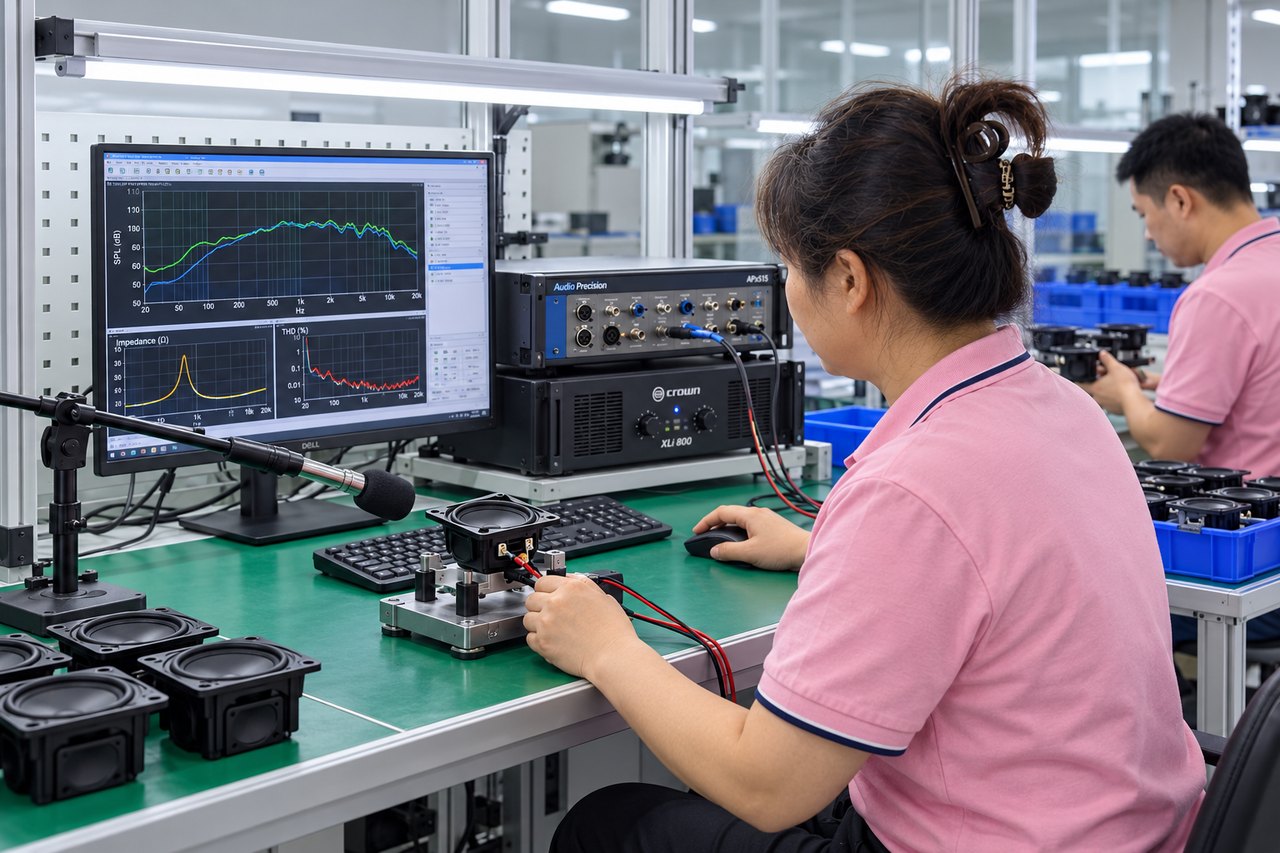
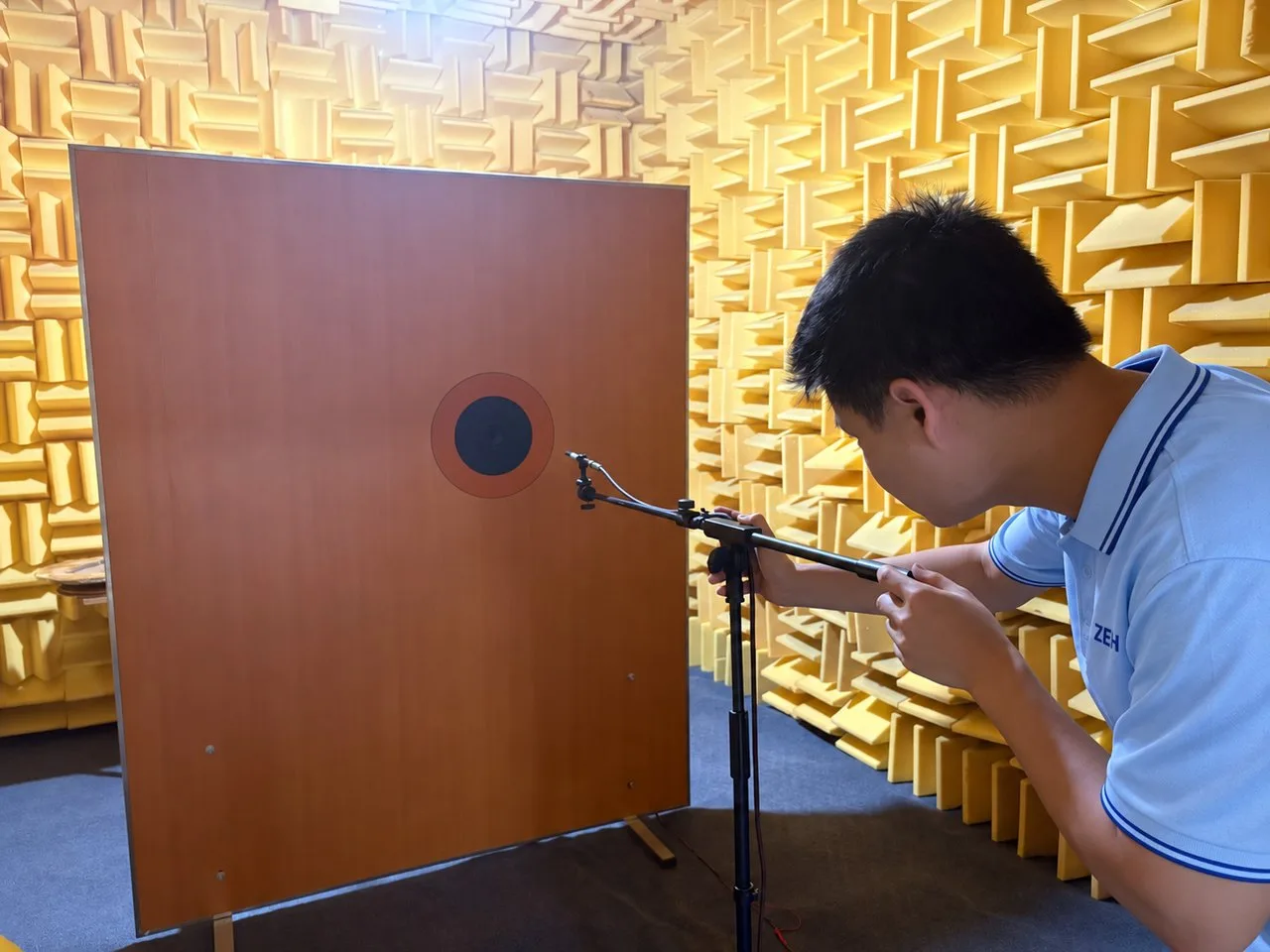
T/S parameters, curves and listening checks on our bench.
05
Tooling
Injection moulds with DFM review and gate approval.
06
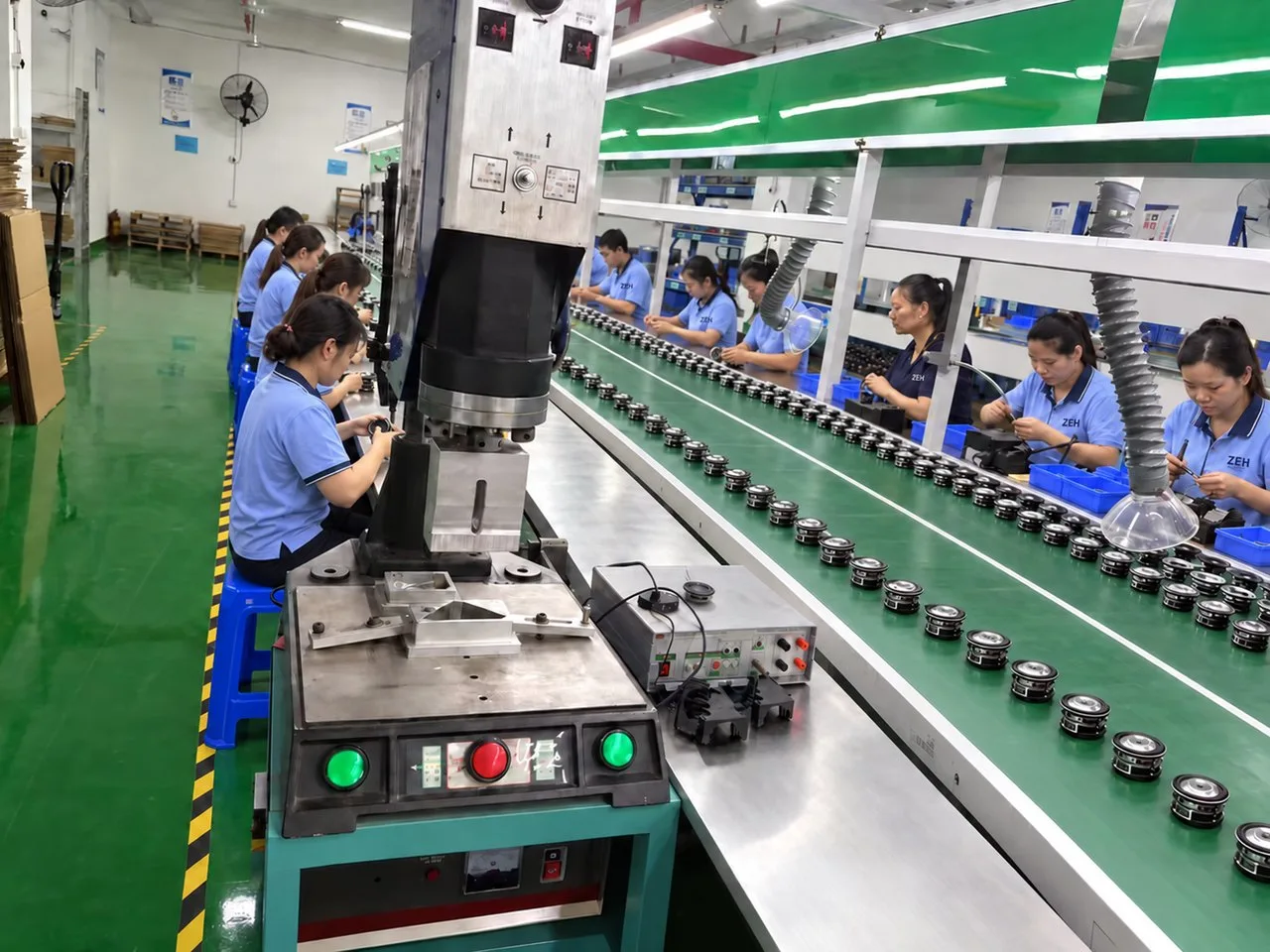
Production
Pilot build, EOL testing and batch traceability.
Every family below is tooled, tuned and shipped in-house — pick a family, or send the drawing and we will point you to the closest platform.
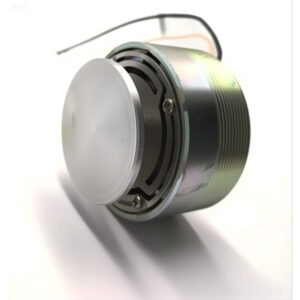
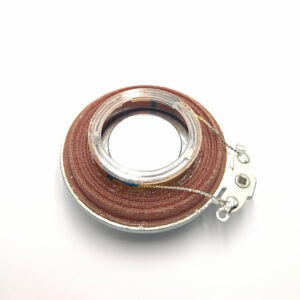
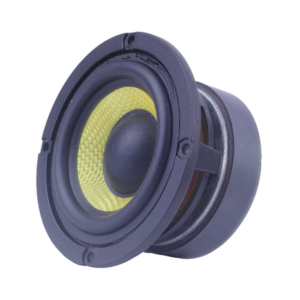
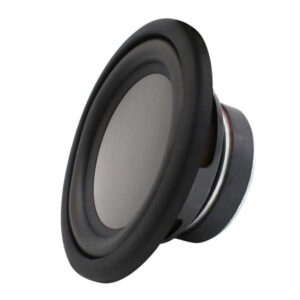
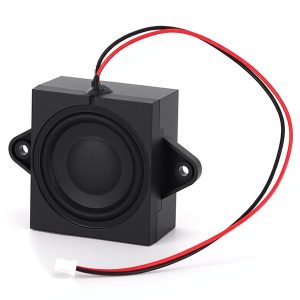
Full-range, woofers, tweeters, exciters — 8 mm to 15 inch.
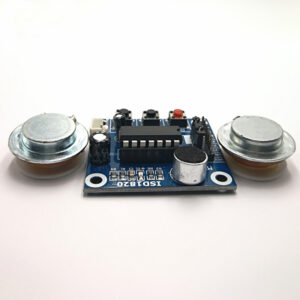
Electret condenser and SMT capsules for voice capture.
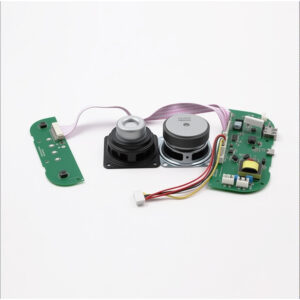
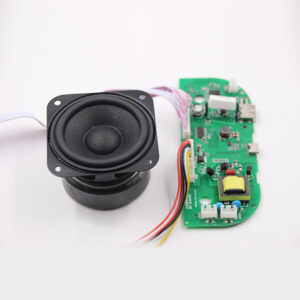
Drivers delivered in a tuned enclosure, ready to drop in.
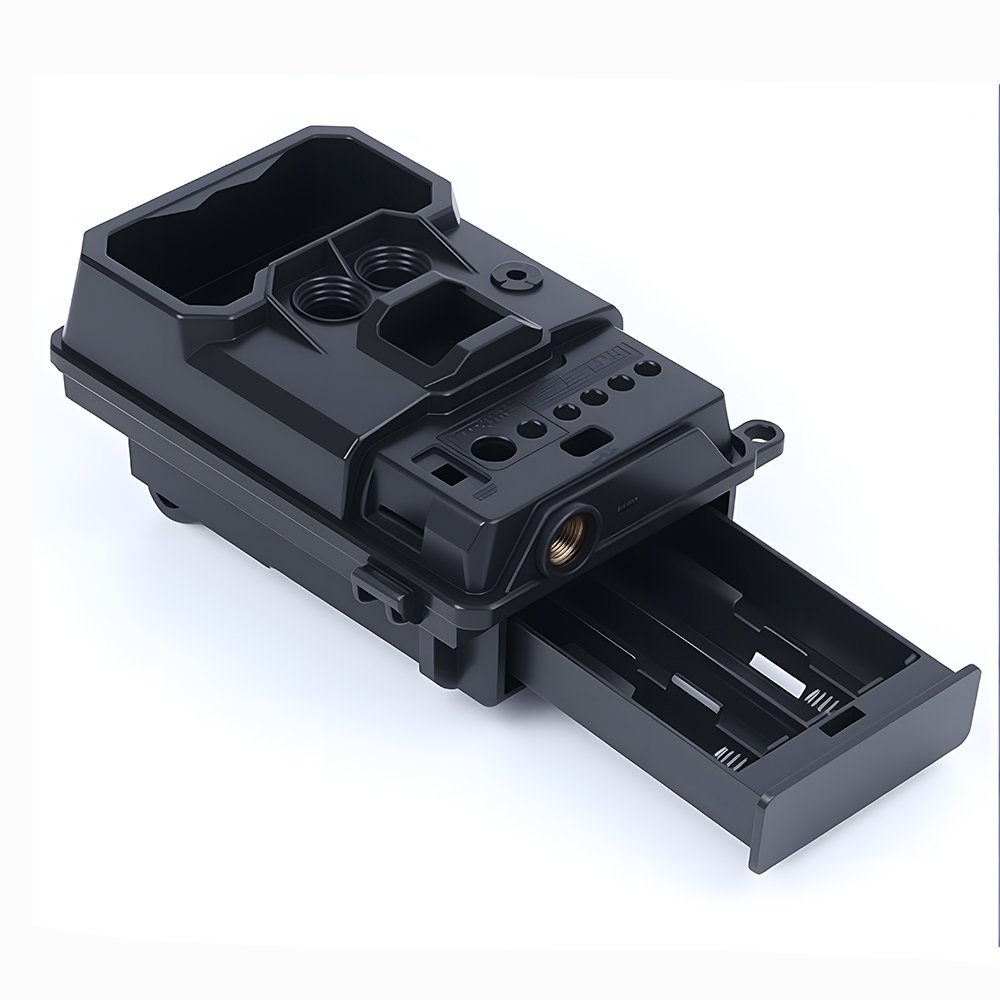
Moulded acoustic chambers designed around the driver.
In-house tooling for grilles, housings and brackets.
Live from the product database — every card links to a measured datasheet and an RFQ form.


SPEAKER + ENCLOSURE CO-DESIGN
A driver tuned in free air behaves differently the moment it sits behind a grille in a 0.3 litre pocket. We design the two together, so the curve you approve is the curve that ships.
APPLICATIONS
Ten industries, one discipline: the part is specified against the environment it will actually live in.
ENGINEERING & TESTING
Every datasheet we send was measured on our own bench — impedance sweeps, T/S parameters and distortion taken on the actual build, not copied from a catalogue.
T/S parameters by impedance method
fs, Qts, Vas measured per build batch, not per family.
Curves at multiple power levels
1/5/10 W sweeps so you see compression before it surprises you.
Environmental verification
Temperature, humidity and life testing matched to the target market.
PROJECT NOTE
The customer’s original module went hollow and thin below 300 Hz once the industrial design team shaved 6 mm off the enclosure. Re-tuning the driver and re-venting the chamber recovered the bass — without moving the outside dimensions.
Details anonymised; full timeline on the Custom Development page.
Selection guides, enclosure design notes and test-method explainers your team can use before the first enquiry.

Sensitivity, signal-to-noise ratio and acoustic overload point are measured at 1 kHz against a 1 Pa reference, which is 94

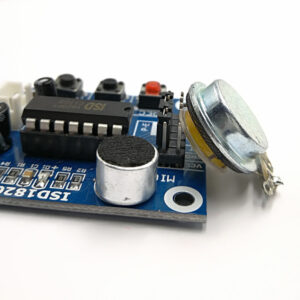
A factory that subcontracts the driver, the mould and the assembly has three schedules to coordinate and three quality systems
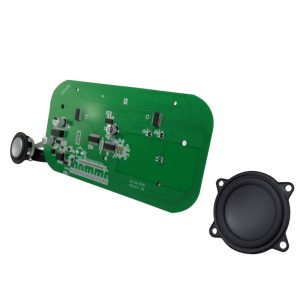
An AI speaker is defined by its microphone path, not by its loudspeaker. The array has to hear a wake

Volume is run with the same discipline the sample was approved under:
Guides your engineers can use before the first enquiry:
Send what you have — a drawing, a target curve, a competitor sample or just the application. The reply comes from the engineering desk, with a fit check and a sample plan.